Signs Your Loved One Needs Elderly Home Nursing Care
In most Indian families, parents and grandparents are the emotional centre of the home, and caring for them with respect becomes a shared responsibility. As they grow older, simple daily tasks and health needs can become difficult, especially in busy cities like Mangalore. Elderly home nursing care brings trained medical support, comfort and safety straight to their doorstep. When you notice small changes in their health, mood or routine, acting early can prevent bigger problems later. In this blog, we will help you understand the common warning signs, when to consider professional home nursing services, and how the right elder care support can give peace of mind to the whole family. This guidance is for families seeking trustworthy local support.
What Is Elderly Home Nursing Care?
Elderly home nursing care means providing medical and personal support to seniors in the comfort of their own house, instead of a hospital. A trained home nurse visits regularly or stays with the patient, depending on the need. Unlike hospital care, home nursing focuses on one person and follows the doctor’s advice at home. These elder healthcare services are called home nursing services. Support can include monitoring vital signs, giving medicines, wound care, mobility help and assistance with daily activities. It is ideal for elders who need attention and supervision.
Major Signs Your Loved One Needs Elderly Home Nursing
Frequent Falls or Mobility Issues
If your elderly parent is stumbling often, holding on to walls or furniture, or has had a fall more than once in a few months, it is a clear warning sign. Repeated falls are not random accidents. They often point to weak muscles, balance problems, joint pain or neurological issues.
Each fall can lead to fractures, head injuries and hospitalisation. A professional home nurse can assess mobility, support walking, guide simple exercises, use walkers or wheelchairs safely and keep the home clutter free. With elder healthcare services, the risk of serious falls reduces for your loved one at home.
Difficulty Managing Daily Activities (ADLs)
Activities of daily living, or ADLs, include basic tasks like bathing, dressing, eating, toileting and moving around the house. When your loved one starts skipping baths, wearing the same clothes for days, struggling to get out of bed or eat without help, it is more than simple ageing. These are signs that daily living is becoming difficult.
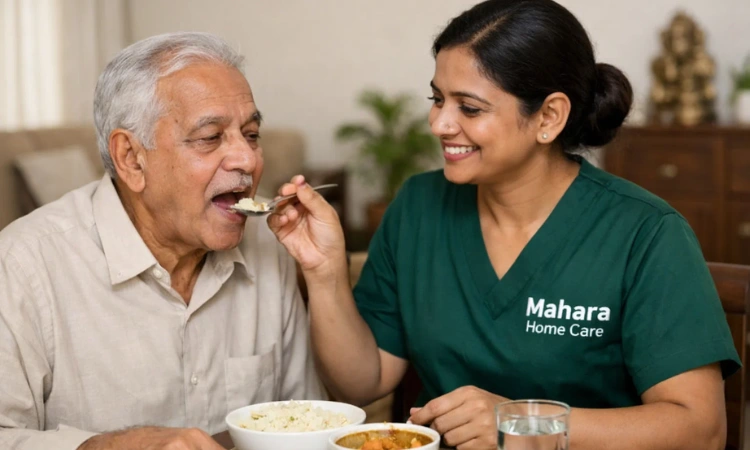
Many elders feel shy or guilty about asking for help. They may try to manage alone and end up with poor hygiene, weakness and skin infections, which pushes families to look for elder home nursing services. A trained home nurse supports ADLs gently and respectfully, without hurting their pride. The nurse helps with bathing, grooming, changing clothes, feeding and toilet assistance in a dignified way, so your parent feels safe and cared for.
Memory Loss, Confusion, or Behavioral Changes
It is normal for elders to forget small things sometimes, like where they kept their glasses. But when your parent forgets familiar names, repeats the same question many times, gets lost in known places or mixes up day and night, it may be more serious.
These can be early signs of dementia, confusion or other neurological issues. Such changes increase the risk of leaving gas on, wandering outside or taking medicines wrongly. Elderly home nursing care provides calm, constant supervision. A trained nurse gently orients the senior to time and place, maintains daily routines, watches behaviour and keeps them safe, while updating the family and doctor when needed. With elder healthcare services at home, the senior is never left unsupported.
Chronic Medical Conditions Requiring Monitoring
Many seniors live with long term illnesses like diabetes, high blood pressure, heart disease, stroke, arthritis or breathing problems. These conditions need regular monitoring of blood sugar, BP, pulse, oxygen levels and symptoms. Missed checks can lead to sudden complications.
Managing multiple tablets, insulin injections or inhalers every day is not easy for an elderly person. Confusion about doses and timings is common. With elder home nursing care, a trained nurse can monitor health parameters, give medicines on time, notice warning signs early and share reports with the doctor, so treatment stays on track and safely without frequent hospital visits.
Poor Nutrition or Sudden Weight Loss
If you notice your loved one eating very little, skipping meals or saying they are not hungry most of the time, do not ignore it. Loss of appetite in elders can be due to medicines, depression, dental issues, swallowing problems or chronic illness. Over time this leads to weakness, low immunity and delayed healing.
Watch for loose clothes, sudden weight loss, tiredness, dry skin and more time spent in bed. These are signs of poor nutrition. A home nurse can monitor daily food intake, encourage small frequent meals, support feeding, follow any diet plan suggested by the doctor and alert the family early if the senior is not eating enough.
Poor Hygiene or Unclean Living Conditions
When you visit your elderly parent and notice unwashed clothes piled up, dust everywhere, an unclean bathroom or a strong smell in the room, it is a sign that daily upkeep is becoming hard. Poor hygiene and messy surroundings are not about laziness. They often show that the senior is physically tired, in pain, forgetful or feeling low in mood.
Living in such conditions increases the risk of skin infections, bed sores, breathing problems and stomach issues. In a city like Mangalore, children may live far away and miss these warning signs. Emotionally, elders may feel ashamed to invite anyone home and withdraw from social contact. With home nursing care and support, personal hygiene and the home environment can improve. A home nurse helps with regular bathing, grooming, changing sheets, cleaning minor spills and keeping the bed and patient area neat, so the elder feels comfortable and respected again.
Frequent Hospital Visits or Post-Surgery Recovery
If your loved one has been going to the hospital again and again for the same health issue, or has recently had surgery, they may need more support at home. Discharge from hospital is not the end of treatment. Ongoing, regular follow up care is crucial.
Many elders need wound dressing, injections, IV fluids, catheter care or breathing exercises after coming home. Without proper supervision, there is a risk of infection, bleeding, pain and readmission. Post hospital home nursing care brings trained nurses to the doorstep in Mangalore. They follow the doctor’s plan exactly, monitor recovery closely and help the senior regain strength safely in a familiar environment again.
Emotional Withdrawal, Isolation or Depression
Ageing is not only about physical changes. Emotional health also matters. If your parent speaks less, avoids phone calls, sits alone for long hours, loses interest in hobbies or cries easily, they may be feeling lonely or depressed. Sometimes this happens after a loss, illness or when children move away.
Loneliness can affect sleep, appetite, memory and even heart health. A trained home nurse or caregiver offers more than medical help. They listen, talk, encourage light activity and involve the elder in simple routines. This companionship, along with proper care, can lift mood and bring back a sense of connection.
Safety Risks When Living Alone
Many elders in Mangalore live alone for long hours while family members are at work or in another city. During this time, they may forget to turn off the gas, leave doors unlocked, mix up medicine doses or slip in the bathroom with no one around to help.
Small mistakes can quickly turn into emergencies like fire, theft, falls or stroke going unnoticed. Regular supervision becomes important. Elder home nursing agency ensures that someone responsible is present, watching over safety, reminding medicines and checking on the elder. This gives peace of mind to the family and security to the senior.
Benefits of Choosing Professional Elder Home Nursing Agency
Choosing professional elderly home nursing Agency offers many advantages for seniors and their families:
- Comfort of home – treatment and support happen in a familiar, safe environment.
- Personalised care – one to one attention based on the elder’s health, habits and routine.
- Reduced hospitalisation – early monitoring prevents complications and repeated admissions.
- Emotional well being – staying near family, neighbours and familiar surroundings supports mental health.
- Family involvement – children can stay updated, ask questions and join in decisions.
- Continuity of care – the same nurse or small team understands the senior’s history.
- Local, trusted nurses – verified staff from reliable Home Nursing Services in Mangalore.
- Better value – compared to long hospital stays, planned home care can be more cost effective.
Why Early Decision Makes a Difference
Many families wait for a major fall, stroke or emergency before arranging elder healthcare services. Deciding early can prevent such situations. When support starts on time, medicines are given correctly, diet is monitored, and health changes are noticed at an early stage.
This reduces the chances of sudden hospital admissions and speeds up recovery if your loved one is already unwell. Daily life becomes smoother and safer for the senior, with fewer struggles and more comfort. The family also feels less stressed, knowing a trained professional is present and sharing responsibility for care at home in Mangalore each day.
How Mahara Home Care Helps Families
Mahara Home Care is a trusted provider of Elder Care Services in Mangalore, focused on safe, respectful support for seniors at home. The team believes every elder deserves medical care, comfort and dignity without leaving their own house. Their caregiving approach is family centred, transparent and guided by the doctor’s advice.
Mahara offers a wide range of Home Nursing Services in Mangalore, including post hospital care, long term nursing, dementia care, palliative care, ICU at home support, physiotherapy, injections, wound care and assistance with daily activities. Each care plan is customised after understanding the senior’s health, routine and family needs.
If you are searching for elderly home care near me and feel your parent shows some of the signs listed above, Mahara Home Care can help. Identify the warning signs early and request a professional consultation.
Visit https://maharahomecare.com/ and book a home assessment or tele consultation today with their team.
Conclusion
Caring for an ageing parent or grandparent is a big responsibility, but you do not have to handle it alone. Frequent falls, confusion, poor hygiene, weight loss, repeated hospital visits or sadness are all warning signs that extra support is needed at home.
By noticing these changes early and seeking elderly home nursing care, you can prevent emergencies and make daily life safer and more comfortable for your loved one. Dignified ageing means having the right medical help, emotional support and respect every single day. Taking timely action today can protect your family member’s health and independence tomorrow at home.
FAQ
Q1. How do you know when your elderly parents need help?
Look for falls, confusion, hygiene issues, weight loss or missed medicines. If these continue, arrange support at home.
Q2. What services are included in elderly home nursing care?
It includes checking vitals, giving medicines, wound dressing, injections, catheter care, mobility support and help with bathing, toileting and feeding.
Q3. Is home nursing care better than hospital care for seniors?
Hospitals are for emergencies. For recovery, home nursing lets seniors heal comfortably, reduces infection risk and keeps family close.
Q4. Can home nurses manage chronic illnesses like diabetes and BP?
Home nurses can check sugar and BP, give medicines or insulin on time, note symptoms and update the doctor.
Q5. Is elder healthcare services safe for dementia patients?
With trained staff, home nursing is safe for dementia. Familiar surroundings reduce fear and lower the risk of wandering and accidents.