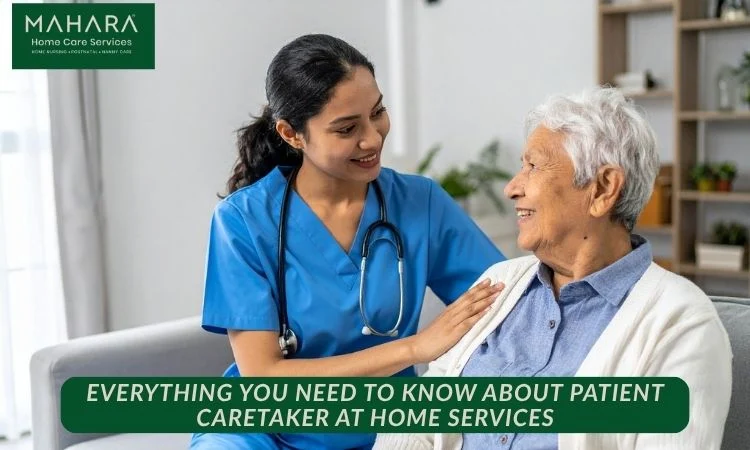
When a loved one falls ill or grows older, the first instinct is to keep them close, surrounded by family, in the comfort of their own home. That is exactly why the demand for a patient caretaker at home has grown so much in recent years. Families across Mangalore and beyond are realising that quality care does not always mean a hospital bed. Sometimes, the best healing happens right at home.
Whether it is an aging parent who needs daily support, someone recovering from a major surgery, or a family member managing a chronic condition like diabetes or a stroke, home-based care offers something hospitals often cannot – warmth, familiarity, and personal attention.
At Mahara Homecare, we have seen firsthand how the right caretaker can make a world of difference. The patient feels more at ease. The family feels less burdened. And the cost, compared to extended hospital stays, is genuinely more manageable. Home health care services are no longer a luxury. For many families today, they are a practical, compassionate, and affordable choice.
What is a Patient Caretaker at Home?
A patient caretaker at home is someone who provides day-to-day assistance to a person who is unwell, elderly, or recovering from a medical procedure. Their role is not just physical care – it includes emotional support, companionship, and making sure the patient feels safe and comfortable in their own surroundings.
Now, many families get confused between a caretaker, a nurse, and a medical attendant. Let us break it down simply. A nurse is a trained medical professional who handles clinical tasks like injections, wound dressing, and medical assessments. A medical attendant typically works under a nurse or doctor and assists with specific medical duties. A caretaker, on the other hand, focuses on personal care – helping with bathing, feeding, mobility, hygiene, and everyday routines. They are the constant presence beside the patient when the family cannot always be there.
Patient home care services are usually structured around the patient’s specific needs. Some families need someone for just a few hours a day, while others require round-the-clock support. At Mahara Homecare, every care plan is built after understanding the patient’s condition, daily routine, and family expectations.
What matters most is trust. When you invite someone into your home to care for a loved one, you need to know they are reliable, trained, and genuinely compassionate. That is the foundation of every good patient care service – professionalism backed by a real human connection.
Types of Patient Care Services Available at Home

Not every patient needs the same kind of care. A person recovering from knee surgery has very different needs compared to an elderly parent with dementia or a bedridden patient needing palliative support. That is why patient care services at home are designed to be flexible and specific to each situation.
Here are the most common types of home care services families in Mangalore typically look for:
Elder Care – This is one of the most sought-after services. Aging parents who live alone or need daily assistance with movement, meals, and medication benefit greatly from a dedicated caretaker. It gives the family peace of mind knowing someone responsible is always around.
Post-Operative Care – After a surgery, the first few weeks at home are critical. A caretaker helps with wound hygiene, mobility exercises, medication schedules, and ensures the patient does not strain themselves during recovery.
Palliative Care – For patients with serious or terminal illnesses, palliative care at home focuses on comfort and dignity. The goal is not cure but quality of life – managing pain, providing emotional support, and keeping the patient as comfortable as possible.
Disability Support – Individuals with physical or intellectual disabilities often need long-term, consistent assistance. A trained caretaker helps with daily activities, communication, and social engagement.
ICU Care at Home – This is a growing area where patients who need ventilator support, oxygen therapy, or continuous monitoring can receive it at home under professional supervision. It is especially relevant for families who want to bring a loved one home from the hospital but still need clinical-level attention.
To give a real example, we at Mahara Homecare recently supported a family in Mangalore whose father had a hip replacement surgery. He was anxious about hospital stays, so the family arranged post-operative home care. Within weeks, with the right caretaker by his side, he was walking with support and feeling far more confident. That is the kind of difference the right patient home care services can make.
Key Responsibilities of a Home Caretaker
When a family hires a patient caretaker at home, they often wonder what exactly the caretaker will do on a daily basis. The answer depends on the patient’s condition, but there are core responsibilities that almost every caretaker handles.
The most basic and essential duty is daily personal assistance. This includes helping the patient with bathing, grooming, dressing, and toileting. For patients with limited mobility, the caretaker also assists with moving from the bed to a wheelchair or helping them walk around the house safely.
Feeding is another important responsibility. Some patients can eat on their own but need someone to prepare meals according to dietary restrictions. Others, especially those recovering from strokes or surgeries, may need to be fed carefully and patiently.
Medication reminders are something families value deeply. It is easy to miss a dose or mix up timings, especially for elderly patients on multiple medicines. A good caretaker keeps track of every medication and ensures it is taken on time, every single time.
Beyond the physical tasks, emotional support plays a huge role. Loneliness and frustration are common among patients who are confined to their homes. A caring, patient caretaker becomes a companion – someone to talk to, someone who listens, and someone who brings a sense of normalcy to difficult days.
Monitoring vitals like blood pressure, temperature, and blood sugar levels is also part of the routine for many caretakers, especially those looking after chronically ill patients. They report any changes to the family or the doctor promptly.
Hygiene maintenance – keeping the patient’s room clean, changing bed linens regularly, and ensuring a sanitised environment – is equally important to prevent infections.
At Mahara Homecare, our approach is what you might call helping hands home care in the truest sense. Every caretaker we place is trained not just in tasks but in treating patients with respect and kindness.
We serve Home Nursing Services Also
Benefits of Hiring a Patient Caretaker at Home
There is a reason more families in Mangalore are choosing home care over prolonged hospital stays. The benefits are not just practical – they are deeply personal.
The biggest advantage is the comfort of the home environment. A patient heals better when they are in familiar surroundings, sleeping in their own bed, eating home-cooked meals, and seeing family faces every day. Hospitals can feel cold and isolating, no matter how good the medical care is.
Personalised attention is another major benefit. In a hospital, one nurse may be responsible for ten or fifteen patients at a time. At home, the caretaker’s entire focus is on one person. Every need is attended to promptly, and the care plan is built around that individual’s routine and preferences.
Recovery is often faster at home. Studies and everyday experience both show that patients who are comfortable and stress-free tend to heal quicker. Less anxiety, better sleep, and a familiar diet all contribute to this.
Then there is the cost factor. Extended hospital stays can drain a family’s savings quickly. Home health care services, in comparison, are significantly more affordable while still providing consistent, quality care. You are paying for attention and support without the overhead of a hospital room.
Family involvement is something that home care naturally encourages. When the patient is at home, family members can participate in the care process, spend time with their loved one, and stay informed about their progress daily. It strengthens the bond and gives the patient emotional strength that no medicine can replace.
At Mahara Homecare, we have seen families transform from being anxious and overwhelmed to feeling confident and supported, simply because they chose the right care setup at home.
Who Needs Home Health Care Services?
Home care is not limited to one type of patient. The need is wide, and the situations are varied. Here is a look at who benefits the most from home health care services.
Seniors living alone are perhaps the most common group. As parents age, their children often live in different cities or countries for work. Having a trained caretaker at home ensures the elderly parent is not neglected, has company, and gets help with daily tasks they can no longer manage alone.
Patients recovering from surgery need careful attention during the initial weeks. Whether it is a heart procedure, joint replacement, or any major operation, the post-recovery phase requires someone who can assist with movement, wound care, and medication without fail.
People managing chronic illnesses like diabetes, hypertension, kidney disease, or respiratory conditions benefit from having a caretaker who monitors their vitals, manages their medication, and helps them maintain a healthy routine at home.
Individuals with physical or mental disabilities often require long-term support. A caretaker trained in disability care can assist with mobility, communication, and daily activities, giving the patient more independence and the family some relief.
New mothers, especially those recovering from complicated deliveries or caesarean sections, also find home care incredibly helpful. A caretaker can assist with the mother’s recovery while the family focuses on the newborn.
If any of these situations sound familiar, you are not alone. Many families in Mangalore have found the right support through patient home care services, and the difference it makes is remarkable.
How to Choose the Right Patient Home Care Services
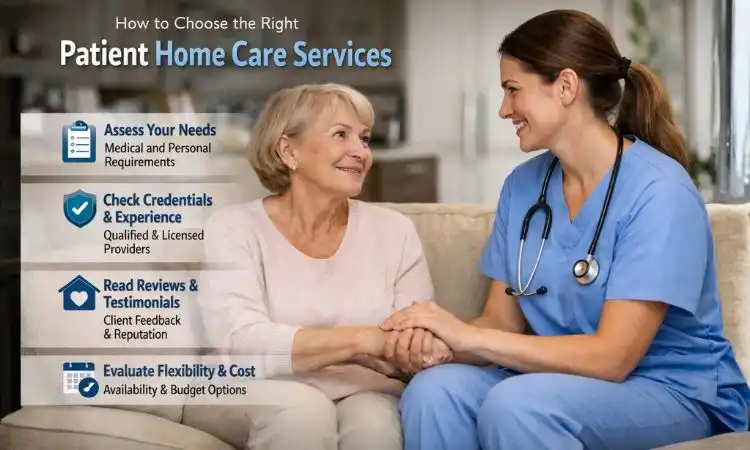
Choosing someone to care for your loved one at home is a deeply personal decision. You are trusting a person with your family member’s wellbeing, so it is important to get it right. Here is a simple checklist that can guide you.
Experience and training should come first. Ask how long the caretaker has been working in home care and whether they have handled cases similar to your patient’s condition. A caretaker experienced in post-surgical care, for instance, will be far more effective than someone with no relevant background.
Background verification is non-negotiable. Always hire through an agency that conducts thorough background checks. This includes identity verification, past employment records, and reference checks. Your family’s safety depends on it.
Reviews and ratings matter. Speak to other families who have used the service. Genuine feedback from real clients tells you more than any brochure or website ever will.
Service flexibility is important because care needs change. Some weeks you may need a caretaker for a few hours, other times you may need 24/7 support. The agency should offer both part-time and full-time options without making it complicated.
Cost transparency is something every family deserves. There should be no hidden charges, no surprise fees. A trustworthy patient care service will always give you a clear breakdown of costs before you commit.
At Mahara Homecare, we tick every one of these boxes. Our caretakers are trained, verified, and reviewed regularly. We hold proper certifications and operate with complete transparency because we understand that trust is everything when it comes to caring for someone you love.
Cost of Patient Caretaker at Home in Mangalore
One of the first questions families ask is – how much will it cost? It is a fair and important question, and at Mahara Homecare, we believe in being upfront about it.
Here is a general idea of what patient caretaker services cost in Mangalore:
Hourly care typically ranges from around 150 to 300 rupees per hour, depending on the level of care required and the caretaker’s experience. This is suitable for families who need support for just a few hours during the day.
Daily care, usually a 12-hour shift, can range from approximately 800 to 1,500 rupees per day. This works well for patients who need assistance during the daytime while family members are at work.
24/7 live-in care is the most comprehensive option and generally costs between 15,000 to 30,000 rupees per month. This covers round-the-clock assistance and is ideal for bedridden patients, elderly individuals living alone, or those needing continuous monitoring.
Several factors influence the final cost. Location within Mangalore matters – areas farther from the city centre may have slight variations. The type of care needed plays a big role. Basic companionship and daily help costs less than specialised care for ICU-level patients or those with complex medical needs. The caretaker’s experience level also affects pricing – a more experienced professional will naturally charge more.
What we always tell families is this – compare the cost of home care with even a week of hospital stay, and you will see the value immediately. Quality patient home care services do not have to break the bank. They just need to be planned well.
Why Home Care is Better Than Hospital Care
This is a conversation we have with almost every family that reaches out to us. And the answer, for most situations, leans clearly towards home care.
Let us start with comfort. A hospital room, no matter how well-equipped, is still a clinical environment. There are shared spaces, fixed routines, unfamiliar faces, and constant noise. At home, the patient rests in their own bed, eats food cooked by their family, and lives by their own rhythm. That comfort alone has a measurable effect on recovery.
Cost is another area where home care wins clearly. A single day in a hospital with room charges, nursing fees, and miscellaneous costs can easily run into thousands of rupees. Home care provides continuous support at a fraction of that cost, without compromising on quality.
Then there is the risk of infection. Hospitals, by nature, house many patients with various conditions. The risk of hospital-acquired infections is real and well-documented. At home, the environment is controlled, clean, and far less exposed to such risks.
Home care also allows the family to be involved in the patient’s daily life. You can see how they are doing, talk to the caretaker directly, and make decisions together. In a hospital, you are often limited to visiting hours and brief updates from busy staff.
Of course, hospitals are essential for acute emergencies, surgeries, and intensive medical interventions. But once the critical phase is over, bringing the patient home with a trained caretaker is often the better, safer, and more humane choice.
Common Challenges and How to Overcome Them
Home care is rewarding, but it is not without its challenges. Being aware of them helps families prepare better and avoid unnecessary stress.
Trust is the biggest concern. Allowing a stranger into your home to care for a vulnerable family member is not easy. The worry is natural. The best way to address it is to hire through a reputed agency like Mahara Homecare that conducts thorough background checks and provides verified, trained caretakers.
Communication gaps can also create problems. Sometimes the caretaker may not fully understand the patient’s needs, or the family may not clearly communicate their expectations. Setting clear guidelines from day one, having a written care plan, and scheduling regular check-ins with the agency solve most of these issues.
Care consistency is another challenge. If a caretaker takes leave or the quality of care fluctuates, it disrupts the patient’s routine. Working with an agency that has backup staff and conducts regular quality assessments ensures the patient always receives steady, reliable care.
The key is to not go at it alone. A good home care provider acts as a partner to the family, not just a service. When there is open communication, mutual respect, and proper systems in place, most challenges can be handled smoothly.
Book a Patient Caretaker Today
Take the first step today:
Call us now to discuss your care needs.
Frequently Asked Questions (FAQ)
Q1. What does a patient caretaker at home do?
A patient caretaker at home assists with daily personal tasks like bathing, feeding, grooming, and mobility. They also provide medication reminders, monitor basic vitals, maintain hygiene in the patient’s room, and offer emotional companionship. Their role is to ensure the patient is comfortable, safe, and well looked after throughout the day. The specific duties vary depending on the patient’s condition and the family’s requirements.
Q2. How much does a patient caretaker cost in Mangalore?
The cost varies based on the type and duration of care. Hourly care generally ranges from 150 to 300 rupees, daily care from 800 to 1,500 rupees, and 24/7 live-in care from 15,000 to 30,000 rupees per month. Factors like the patient’s medical condition, the caretaker’s experience, and the location within Mangalore can influence the final pricing. At Mahara Homecare, we provide a clear cost breakdown before any commitment.
Q3. Is home care better than hospital care?
For many patients, especially those in the recovery phase, home care is often the better choice. It offers a comfortable and familiar environment, personalised one-on-one attention, lower risk of hospital-acquired infections, and significantly reduced costs. Hospitals remain essential for surgeries and acute emergencies, but once the critical phase passes, home care supports faster and more peaceful recovery.
Q4. Are caretakers medically trained?
Caretakers are trained in personal care, patient handling, hygiene management, and basic health monitoring. However, they are not nurses or doctors. For clinical tasks like injections, wound dressing, or complex medical procedures, a qualified nurse is needed. Many home care agencies, including Mahara Homecare, offer both caretaker and nursing services depending on the patient’s requirements.
Q5. How do I choose the best patient home care services?
Look for an agency that provides trained and background-verified caretakers. Check their reviews and speak to past clients if possible. Ensure they offer flexible service options – both part-time and full-time. Ask for a clear pricing structure with no hidden costs. Certifications and proper registration are also important trust signals. A reliable agency will always be transparent and responsive from the very first conversation.
Q6. Can I hire a caretaker for 24/7 care?
Yes, absolutely. Many families in Mangalore opt for 24/7 live-in caretakers, especially for bedridden patients, elderly individuals living alone, or those needing constant supervision. At Mahara Homecare, we offer round-the-clock care plans where caretakers work in shifts to ensure the patient is never left unattended. The plan can be adjusted at any time based on the patient’s changing needs.
Conclusion
Caring for a loved one who is unwell or aging is one of the most personal responsibilities a family can take on. But you do not have to do it alone. A patient caretaker at home brings professional support, daily reliability, and genuine compassion right to your doorstep.
From helping with everyday tasks to providing emotional comfort during difficult days, the right caretaker can change the entire experience for both the patient and the family. It is not just about medical assistance. It is about dignity, respect, and the simple comfort of being cared for in the place you call home.
At Mahara Homecare, we have built our services around one simple belief – that every patient deserves care that feels personal. If you are looking for trusted, flexible, and affordable patient home care services in Mangalore, we are here to help.
Because at the end of the day, the best care is the one that comes from the heart.