
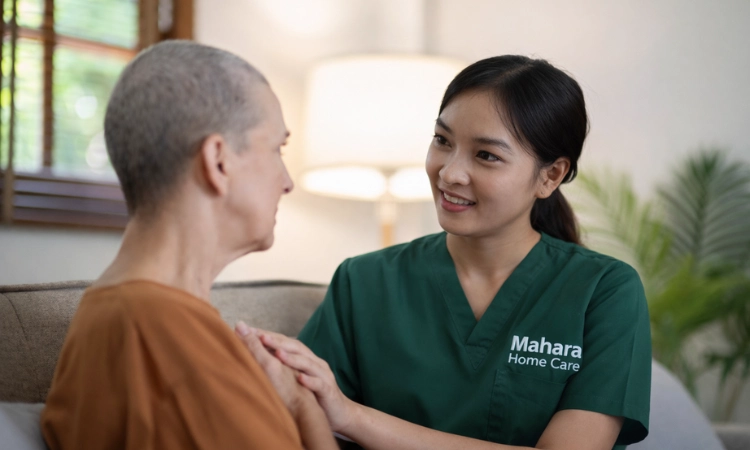
Over the last few years, the demand for home healthcare has grown rapidly across India — and for good reason. When someone falls ill, undergoes surgery, or suffers an injury, the recovery period can be physically and emotionally draining. Long hospital stays add to the stress, and many families are now realising that healing happens better in a familiar, comfortable space. That’s where patient home care services step in. These services bring trained medical professionals, personal caregivers, and emotional support right to the patient’s doorstep. From wound care and medication management to daily assistance and companionship, home care covers it all.
In this article, we’ll walk you through the real benefits of choosing home-based recovery, who it’s best suited for, and how it can make a genuine difference in a patient’s healing journey.
What Are Patient Home Care Services?
In simple terms, patient home care services refer to professional medical and personal care that is delivered at a patient’s home instead of a hospital or nursing facility. The idea is to bring the right care to the patient rather than keeping them confined to a hospital bed for weeks.
A group of qualified experts, including nurses, caregivers, physiotherapists, and occasionally even physicians who make scheduled visits, usually handle these services. A caregiver for a patient at home devotes all of their attention to a single person, in contrast to hospital care, where a single nurse tends to several patients. Recovery is greatly impacted by that one-on-one attention.
So who really benefits from this? Quite a few people, actually. Elderly individuals who struggle with daily tasks, patients recovering after major surgeries, people managing chronic conditions like diabetes or heart disease, and those who need long-term rehabilitation can all recover more effectively with patient care at home rather than staying in a clinical setting for extended periods.
Why Home-Based Recovery Is Becoming Popular
There’s a clear shift happening in how Indian families approach healthcare today. With the elderly population growing steadily, more households are looking for dependable care options that don’t involve repeated hospital visits.
A big part of this shift comes down to personalisation. Families want care that fits their loved one’s specific needs — not a one-size-fits-all hospital routine. Then there’s the cost factor. Extended hospital stays burn a hole in the pocket, and many families simply cannot afford weeks of inpatient bills.
On top of that, technology has made it easier than ever to manage health at home. From portable monitoring devices to teleconsultation with doctors, home care services for patients have become far more accessible and reliable than they were even five years ago.
8 Key Benefits of Professional Patient Home Care Services
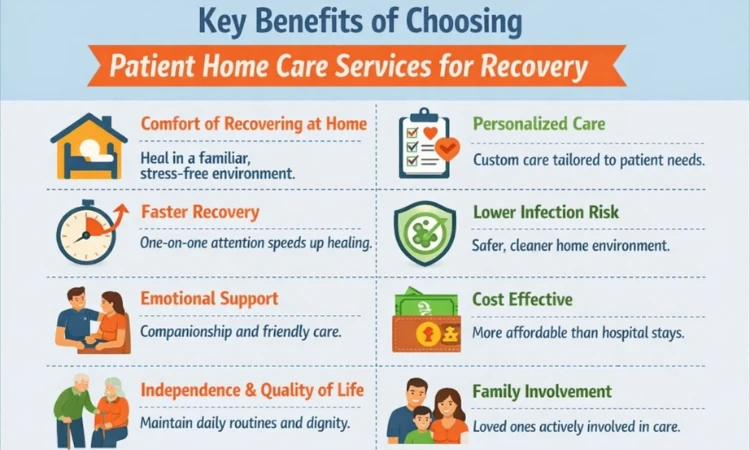
1. Comfort of Recovering at Home
There’s something about being in your own home that no hospital can replicate. The familiar bed, the smell of home-cooked food, family members walking in and out, these small things matter more than we realise during recovery.
When a patient is comfortable, their stress levels drop significantly. And lower stress directly supports healing. In a hospital, patients often feel restless the unfamiliar environment, constant noise, and strict visiting hours all add up. At home, none of that exists.
Patients can rest on their own schedule, eat what they like, and simply feel at ease. That mental peace plays a big role in how quickly someone bounces back. Recovery isn’t just physical, the mind needs to heal too, and home provides that space naturally.
2. Special Care Based on Patient Needs
One of the strongest advantages of patient home care services is the level of individual attention a patient receives. In a hospital, nurses manage multiple patients at once. At home, the caretaker for patient at home is focused entirely on one person.
This means the care plan can be built specifically around the patient’s condition, daily habits, and comfort level. Whether it’s wound dressing at a particular time, physiotherapy exercises in the morning, or simply reminding them to take medication everything is tailored.
The caregiver also gets to know the patient personally over time, which helps in spotting small changes in health early. That kind of close monitoring is hard to get in a hospital setting where staff rotations happen regularly.
3. Faster Recovery and Better Health Outcomes
Multiple studies and real-world experience show that patients who recover at home tend to heal faster. A big reason behind this is emotional comfort. When someone feels safe and cared for, their body responds better to treatment.
There is constant one-on-one supervision at home. The caregiver notices any abnormalities early on, such as a minor fever, swelling, or change in appetite. This keeps minor problems from developing into major ones.
Another thing that matters is patient cooperation. In hospitals, patients sometimes resist treatment because they’re frustrated or uncomfortable. At home, they’re more relaxed, more willing to follow instructions, do their exercises, and take medicines on time. That willingness alone speeds up recovery significantly.
4. Lower Risk of Infections Compared to Hospitals
This is one benefit that doesn’t get talked about enough. Hospitals, by nature, are places where infections spread. No matter how clean a facility is, the sheer number of sick patients in one building creates a risk, especially for those with weak immune systems.
Post-surgery patients and elderly individuals are particularly vulnerable to hospital-acquired infections. Something as common as a urinary tract infection or a respiratory illness picked up in the ward can set recovery back by weeks.
At home, that risk drops dramatically. The environment is controlled, clean, and familiar. Patient care at home ensures the patient is not exposed to other sick individuals, making it a far safer option for anyone recovering from surgery, illness, or managing a long-term condition.
5. Emotional Support and Friendly Care
Recovery is not just about medicines and bandages. Loneliness and emotional distress can genuinely slow down healing, especially for elderly patients who are left alone in hospital rooms for hours.
With home care services for patients, the caregiver becomes more than just a medical attendant. They become a companion. Someone who talks to the patient, listens to their concerns, sits with them during meals, or even watches television together. These small interactions matter deeply.
When patients feel emotionally supported, their mental health improves. Depression and anxiety, both common during long recoveries, are reduced significantly. And when the mind is in a better place, the body follows. It’s a simple connection, but it’s one that makes home-based care genuinely effective.
6. Cost-Effective Healthcare Option
Let’s be honest, hospital bills add up fast. Room charges, nursing fees, doctor visits, medicines at hospital rates, and hidden costs can put enormous financial pressure on families. For many households in India, this becomes the biggest worry during a loved one’s illness.
Patient home care services offer a much more affordable alternative. You pay for the specific care your family member needs nothing more. There are no room rent charges, no inflated medicine costs, and no surprise bills at discharge.
Many home care providers also offer flexible packages, so families can choose what fits their budget. Whether you need a full-time caretaker or just a few hours of nursing support daily, the options are practical and far easier on the pocket compared to prolonged hospital stays.
7. Independence and Better Quality of Life
Nobody likes feeling dependent or helpless, especially adults who have lived their entire lives on their own terms. Long hospital stays often strip patients of their independence they can’t choose when to eat, when to sleep, or even when to walk around.
At home, things are different. Patients can follow their daily routine as much as their health allows. They wake up in their own bed, eat home-cooked meals, and spend time with family whenever they want. That sense of normalcy is incredibly important for emotional well-being.
Home nursing services in Mangalore and other cities are designed to support patients without taking over their lives. The goal is to assist, not control helping patients maintain their dignity while getting the care they need.
8. Active Family Involvement in Recovery
When a patient recovers at home, the family becomes part of the healing process and that makes a world of difference. In hospitals, families are limited to visiting hours. At home, they’re present throughout.
Family members can help with small things, holding a hand during a difficult moment, preparing a favourite meal, or simply sitting beside the patient and talking. These gestures may seem minor, but they create a strong emotional support system that no hospital can provide.
Caregivers also keep the family updated on the patient’s progress, teach them basic care techniques, and involve them in decision-making. This shared responsibility brings the family closer together and gives the patient a genuine sense of being loved and looked after during their toughest days.
Who Can Benefit from Patient Home Care Services?
Home care isn’t limited to one type of patient. It serves a wide range of individuals, and understanding who benefits most can help families make the right decision at the right time.
Elderly Individuals Needing Daily Assistance
Ageing comes with its own set of challenges reduced mobility, memory issues, difficulty with daily tasks like bathing, dressing, and eating. Elder care services in Mangalore and across India have become essential for families who want their parents or grandparents to live comfortably at home rather than in an old age facility. A trained caregiver handles everything from morning routines to nighttime safety, giving families peace of mind.
Post-Surgery Patients
After a major surgery whether it’s a hip replacement, cardiac procedure, or abdominal operation, the body needs careful attention during recovery. A caretaker for patient at home monitors wound healing, manages medication schedules, assists with movement, and watches for any signs of complications. This level of dedicated support speeds up recovery without the stress of staying in a hospital ward.
Stroke Recovery Patients
Stroke recovery is a long road. Patients often deal with partial paralysis, speech difficulties, and loss of coordination. They need regular physiotherapy, speech therapy, and round-the-clock assistance with basic activities. Patient home care services provide this structured support in a familiar environment, which plays a big role in regaining lost functions over time.
Patients with Chronic Illnesses
People living with diabetes, heart disease, COPD, kidney problems, or similar long-term conditions need consistent monitoring and care. Frequent hospital visits become exhausting and expensive. With patient care at home, trained professionals keep a close watch on vitals, manage medications, track dietary needs, and flag any warning signs early all without the patient having to leave the house.
Disabled Individuals Needing Long-Term Care
For individuals with physical or neurological disabilities, daily life requires constant support. From mobility assistance to personal hygiene, feeding, and mental stimulation, the needs are ongoing. Home care services for patients in this category provide a stable, respectful, and consistent care routine that helps them live with dignity at home rather than in an institutional setting.
Cancer Patients Undergoing Treatment
Chemotherapy and radiation take a severe toll on the body. Patients feel weak, nauseous, and emotionally drained. Having a professional caregiver at home helps manage side effects, ensures proper nutrition, assists with hygiene, and provides the emotional support that cancer patients desperately need during their treatment journey.
Patients with Dementia or Alzheimer’s
These patients require specialised, patient, and compassionate care. They may forget daily routines, wander off, or become confused and agitated. A trained home caregiver understands these behaviours and knows how to handle them calmly. They create a safe environment at home while keeping the patient engaged through simple activities and conversations.
Patients Recovering from Accidents or Injuries
Fractures, spinal injuries, or trauma from accidents often require weeks or months of bed rest and rehabilitation. A professional caregiver helps with everything from repositioning the patient to prevent bedsores, to assisting with physiotherapy exercises. Patient care services in Mangalore and other cities offer dedicated support for accident recovery, helping patients regain strength gradually and safely at home.
How Mahara Home Care Helps Patients Recover Better
When it comes to finding reliable patient home care services, Mahara Home Care has built a strong reputation among families in and around Mangalore. Their approach is simple treat every patient like family and deliver care that actually makes a difference.
Mahara Home Care works with a team of professional and well-trained caregivers who understand what each patient truly needs. They don’t follow a generic routine. Instead, they create personalised care plans based on the patient’s medical condition, daily habits, and recovery goals. Whether it’s post-surgery recovery care, medication monitoring, assistance with daily activities like bathing, dressing, and feeding, or dedicated elder care services in Mangalore, their team handles it all with patience and skill.
What sets them apart is the emotional side of their care. Their caregivers don’t just show up and complete tasks. They sit with patients, talk to them, and provide genuine companionship — something that matters deeply during long recovery periods. Families also get regular updates on their loved one’s progress, so they’re never left wondering.
Mahara Home Care offers flexible home care packages that fit different budgets and requirements. Whether you need round-the-clock support or just a few hours of daily assistance, they work around your schedule.
Their goal is straightforward ensure every patient recovers safely, comfortably, and with dignity at home.
If your loved one needs professional and compassionate care at home, reach out to Mahara Home Care today. Call now or visit their website to discuss a care plan that works for your family.
Conclusion
Choosing the right care during recovery can shape how quickly and comfortably a patient heals. Patient home care services give families a practical, affordable, and deeply personal alternative to long hospital stays. The comfort of home, one-on-one attention from trained caregivers, lower infection risks, and the emotional warmth of being surrounded by family these are things no hospital ward can match.
Whether it’s an elderly parent who needs daily support, a loved one recovering from surgery, or someone managing a chronic condition, home care makes the journey easier for everyone involved. The key is to find a care provider you can genuinely trust.
When professional support meets a familiar, loving environment, recovery doesn’t just happen — it happens better. And that’s exactly what patient home care services are designed to deliver.
Frequently Asked Questions
1. What are patient home care services?
Patient home care services refer to professional medical and personal care provided at a patient’s home. This includes nursing support, physiotherapy, wound care, medication management, help with daily activities, and emotional companionship. The idea is to bring trained healthcare professionals to the patient’s doorstep so they can recover in a comfortable and familiar setting instead of staying in a hospital for weeks.
2. Why is patient care services important?
When someone is recovering from surgery, illness, or managing a long-term health condition, they need consistent attention and support. Patient care services ensure that the patient is monitored regularly, medications are given on time, and any health changes are caught early. Beyond the medical side, these services also address emotional well-being — loneliness and anxiety during recovery can slow healing, and having a dedicated caregiver at home helps prevent that.
3. What are 5 qualities of a good caregiver?
A good caregiver should have patience recovery takes time and patients can get frustrated. Empathy is equally important because understanding what the patient is going through builds trust. Reliability matters because families depend on the caregiver to show up and deliver consistent care. Good communication skills help the caregiver coordinate with both the patient and their family. And finally, attentiveness — a quality caregiver notices small changes in the patient’s condition before they become bigger problems.
4. Are home care services better than hospital care?
It depends on the situation. For critical or emergency care, hospitals are necessary. But for post-surgery recovery, chronic illness management, elderly care, and long-term rehabilitation, home care is often the better choice. Patients recover faster at home because they’re comfortable, less stressed, and receive one-on-one attention. The risk of hospital-acquired infections also drops significantly. For many families, home care services for patients offer a safer, more affordable, and more personal alternative to extended hospital stays.
5. What services are included in patient home care?
Home care typically covers a wide range of services. These include nursing care like wound dressing, injections, and IV management. Physiotherapy for patients recovering from surgeries, strokes, or injuries. Assistance with daily activities such as bathing, feeding, grooming, and mobility support. Medication reminders and health monitoring. Specialised elder care services in Mangalore and other cities also include dementia care, companionship, and nighttime supervision. The exact services depend on the patient’s condition and the care plan designed for them.
6. How do I choose the best home care provider?
Start by checking whether the provider has trained and certified caregivers. Ask about their experience with your specific requirement — whether it’s post-surgery care, elderly support, or chronic illness management. Read reviews from other families. Make sure they offer personalised care plans rather than a fixed routine. Transparency in pricing matters too — a trustworthy provider will explain costs clearly without hidden charges. Lastly, meet the caregiver before starting. The right patient care services in Mangalore or anywhere else should feel like an extension of your own family’s care.
|
ABOUT THE AUTHOR REVIEWED BY |